

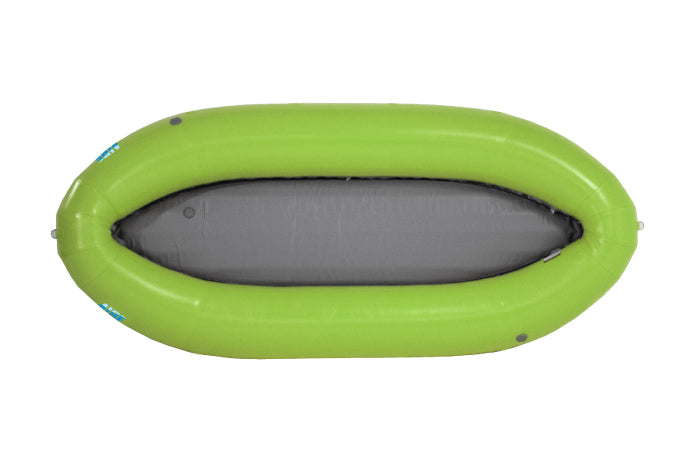
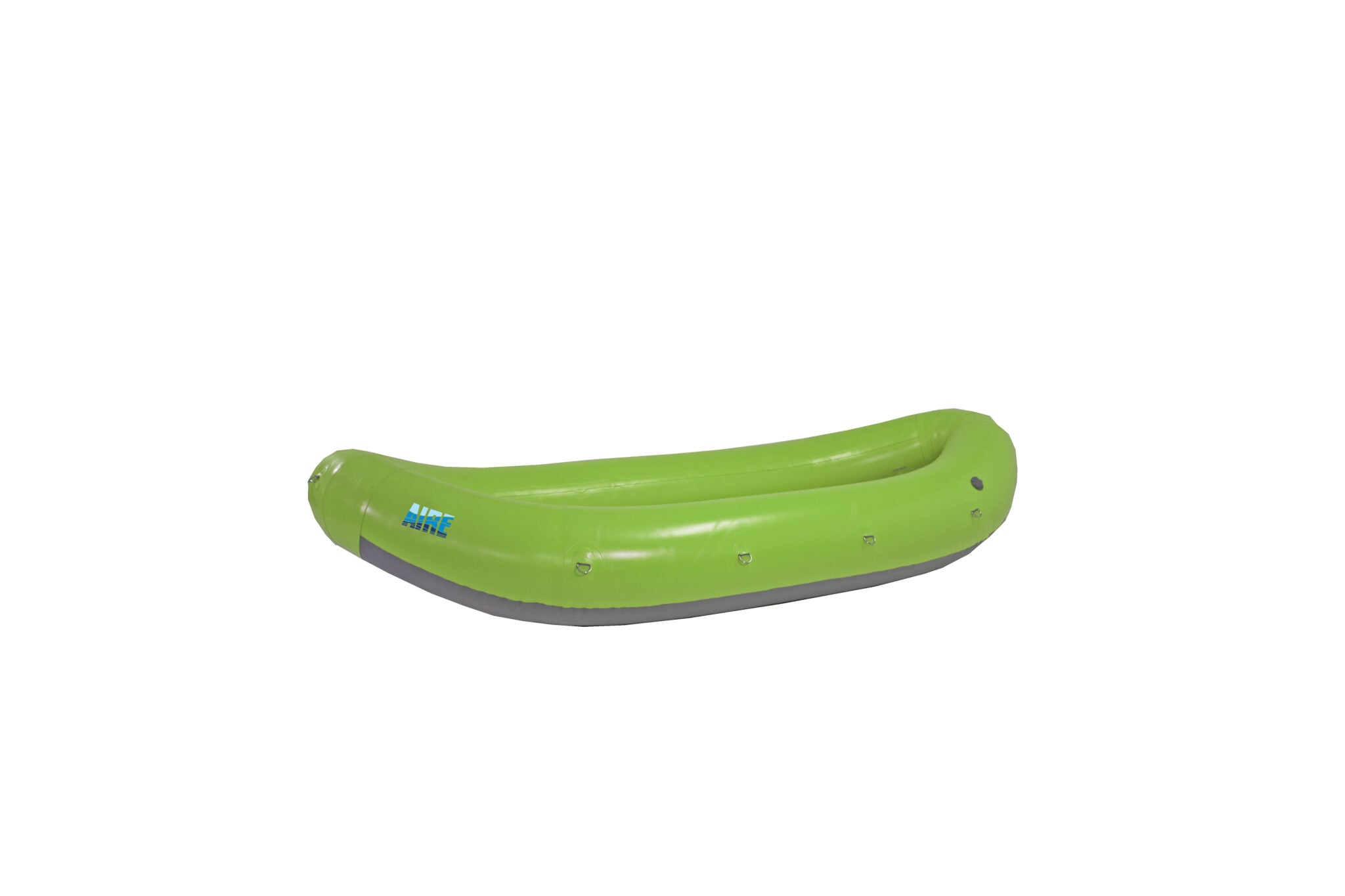
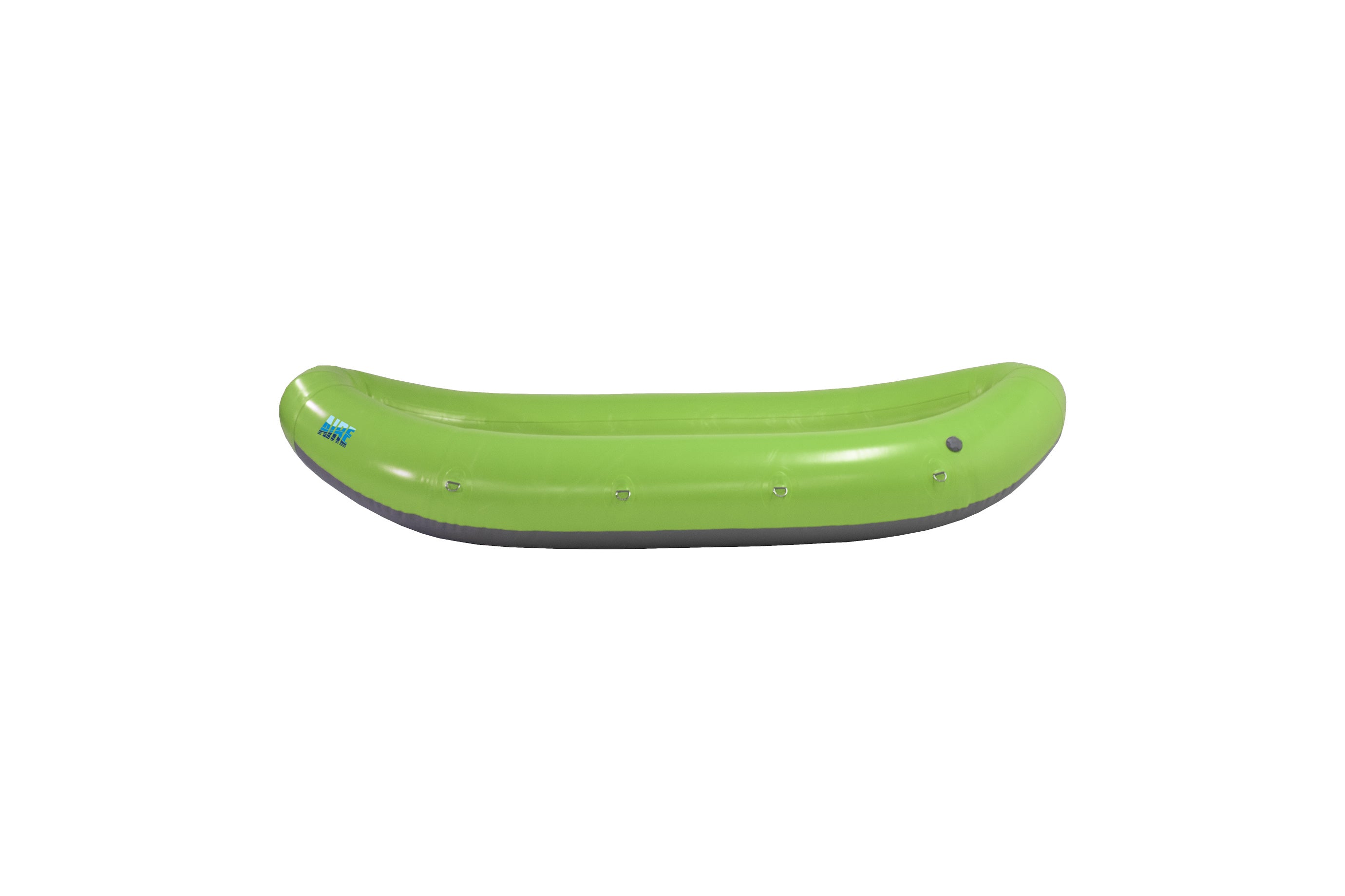
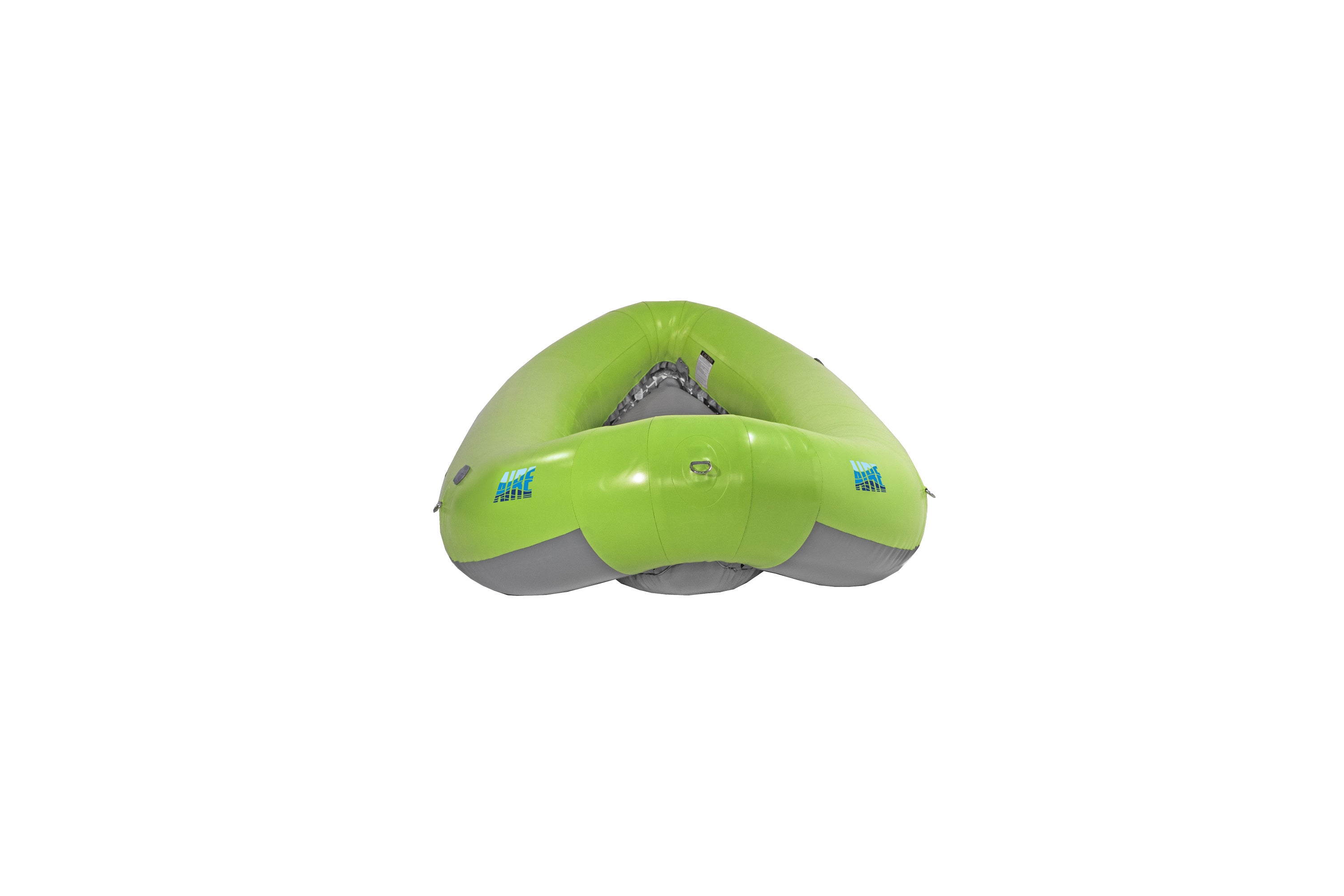
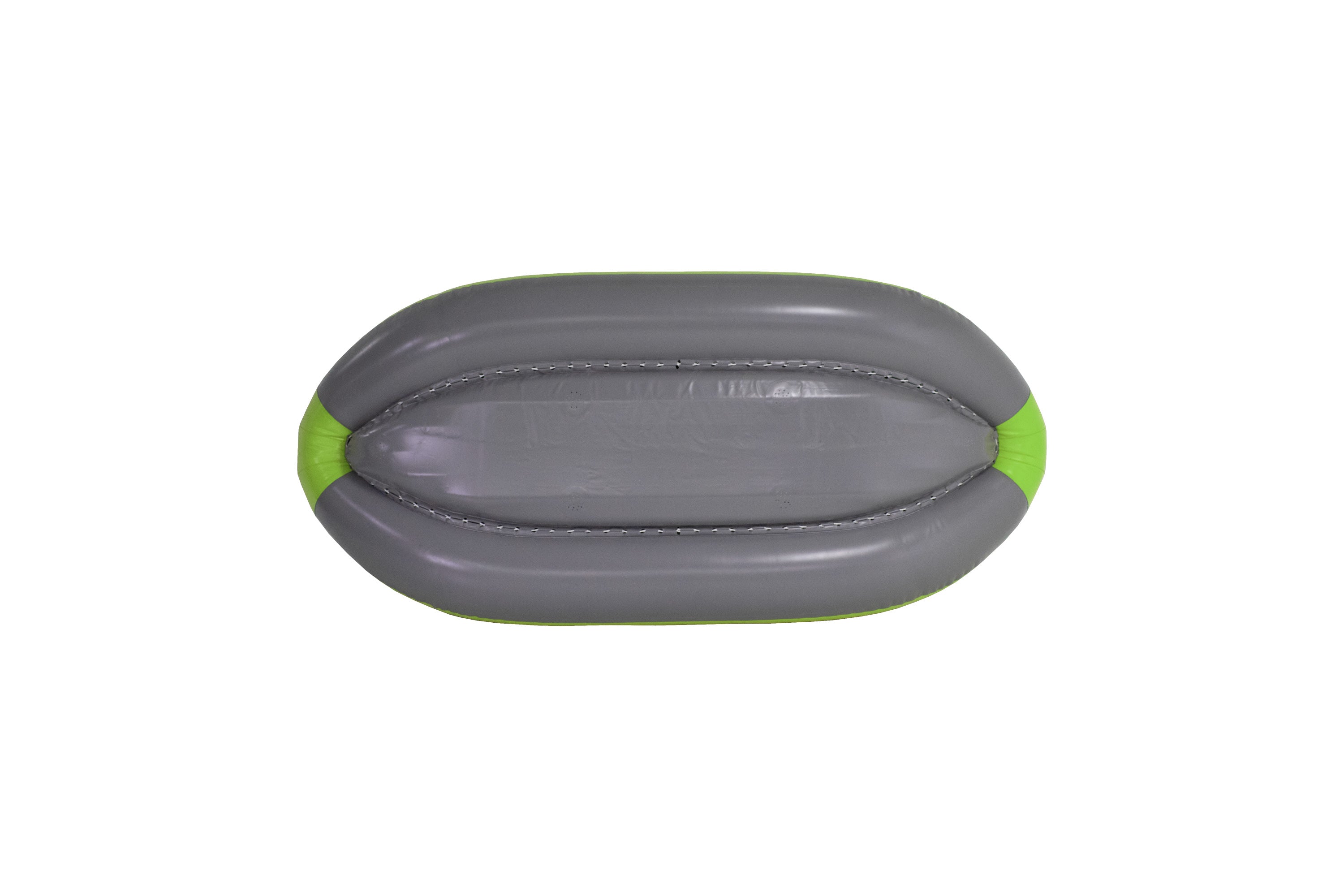
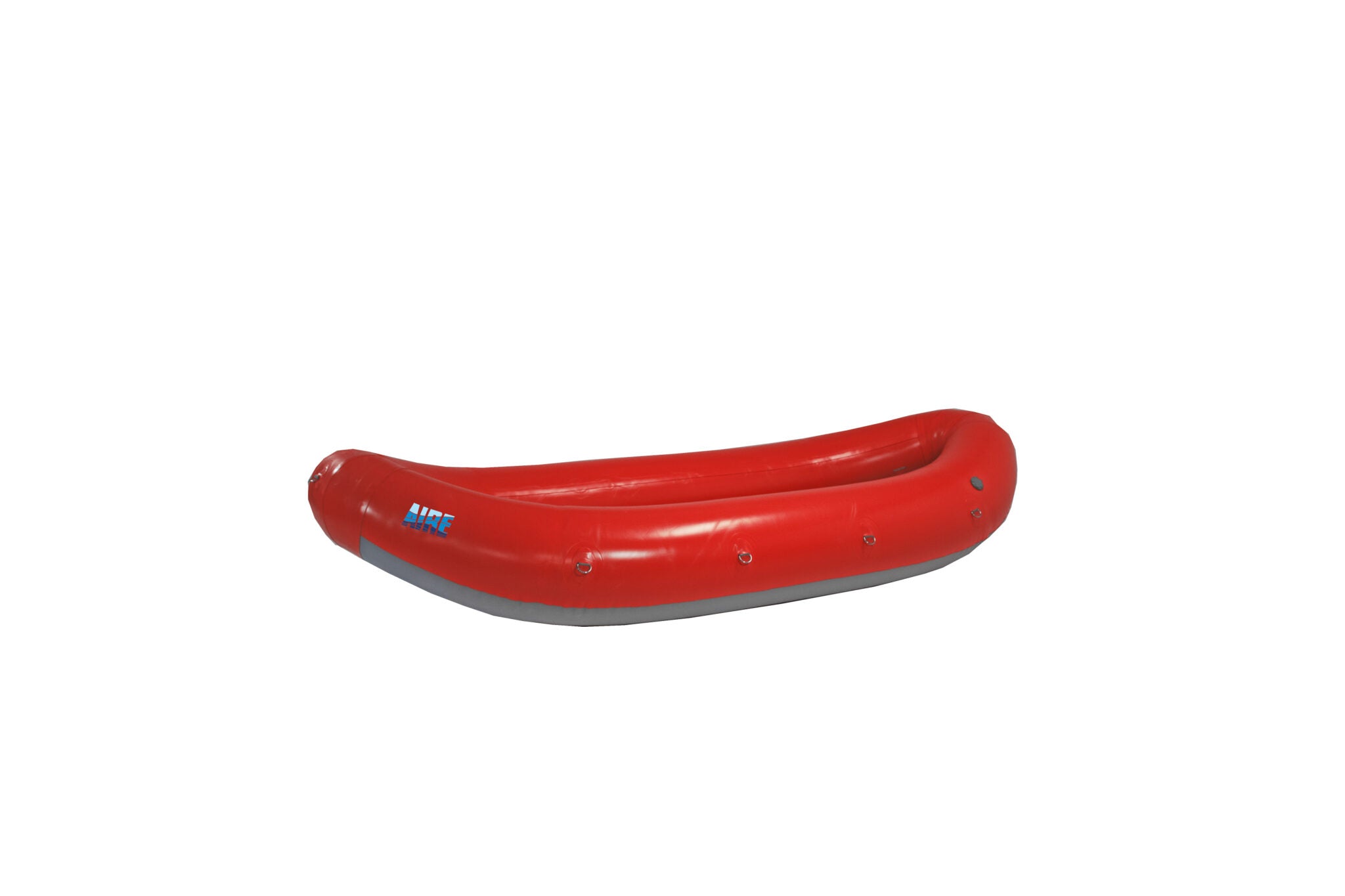
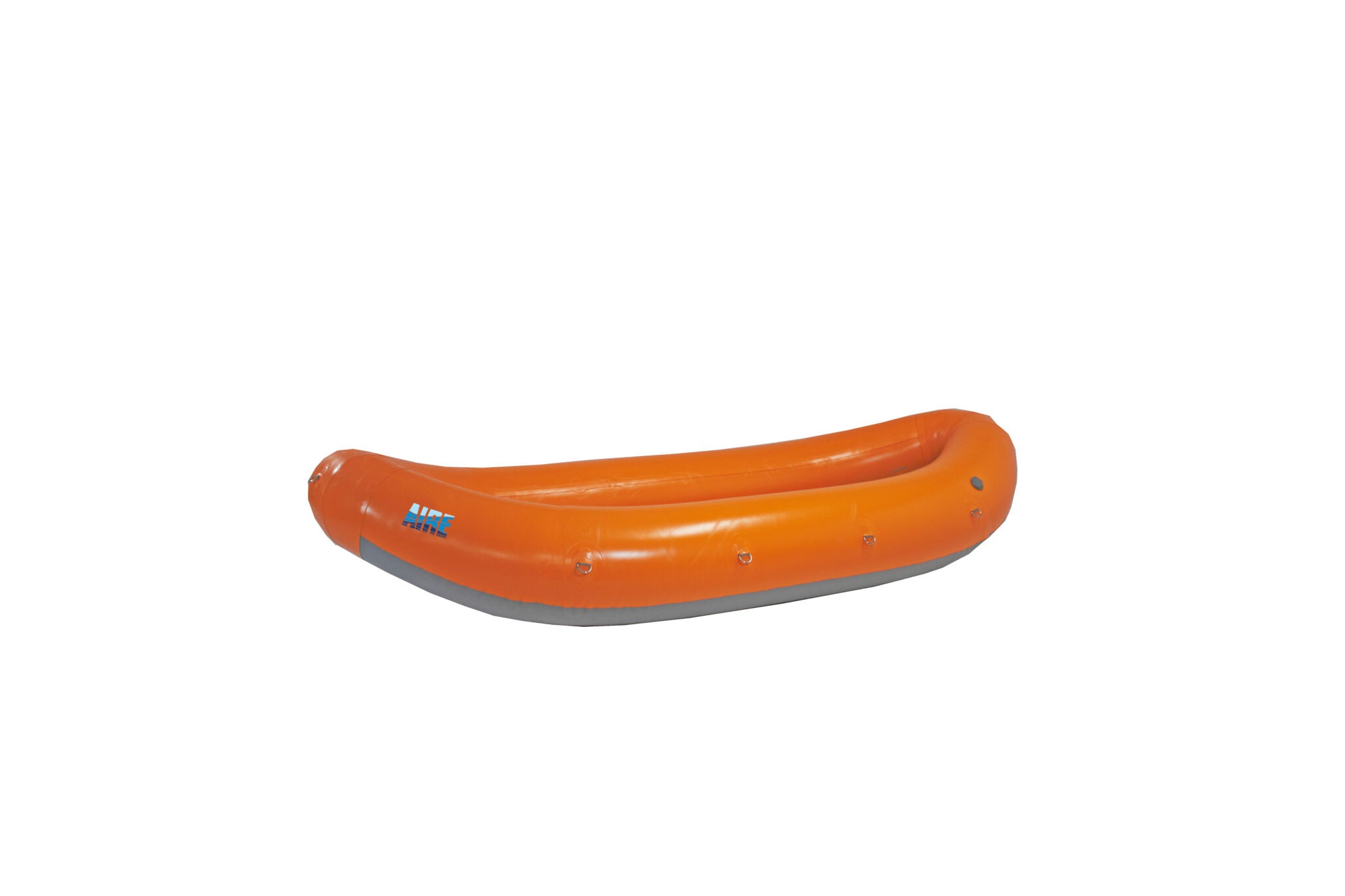
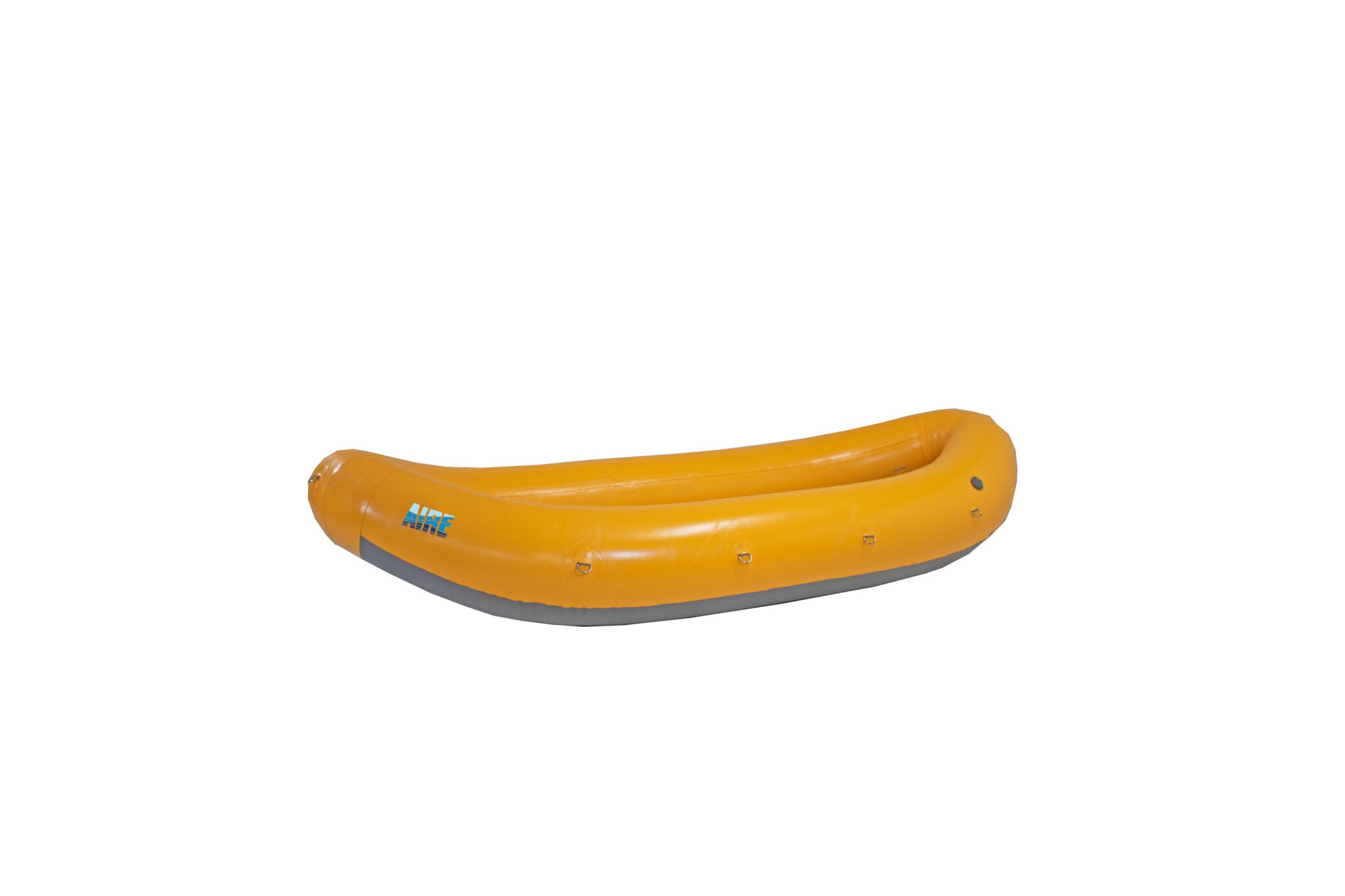
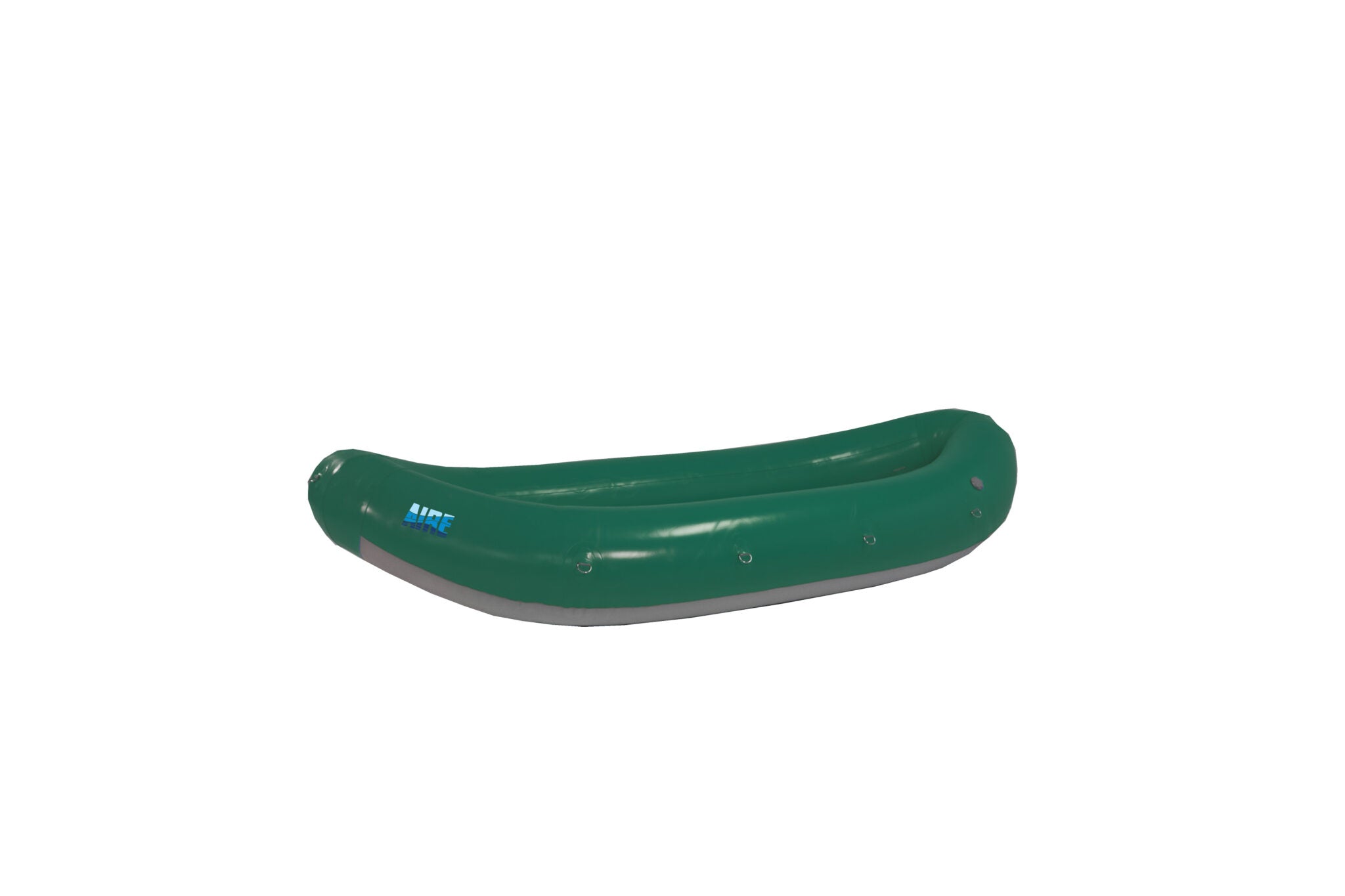
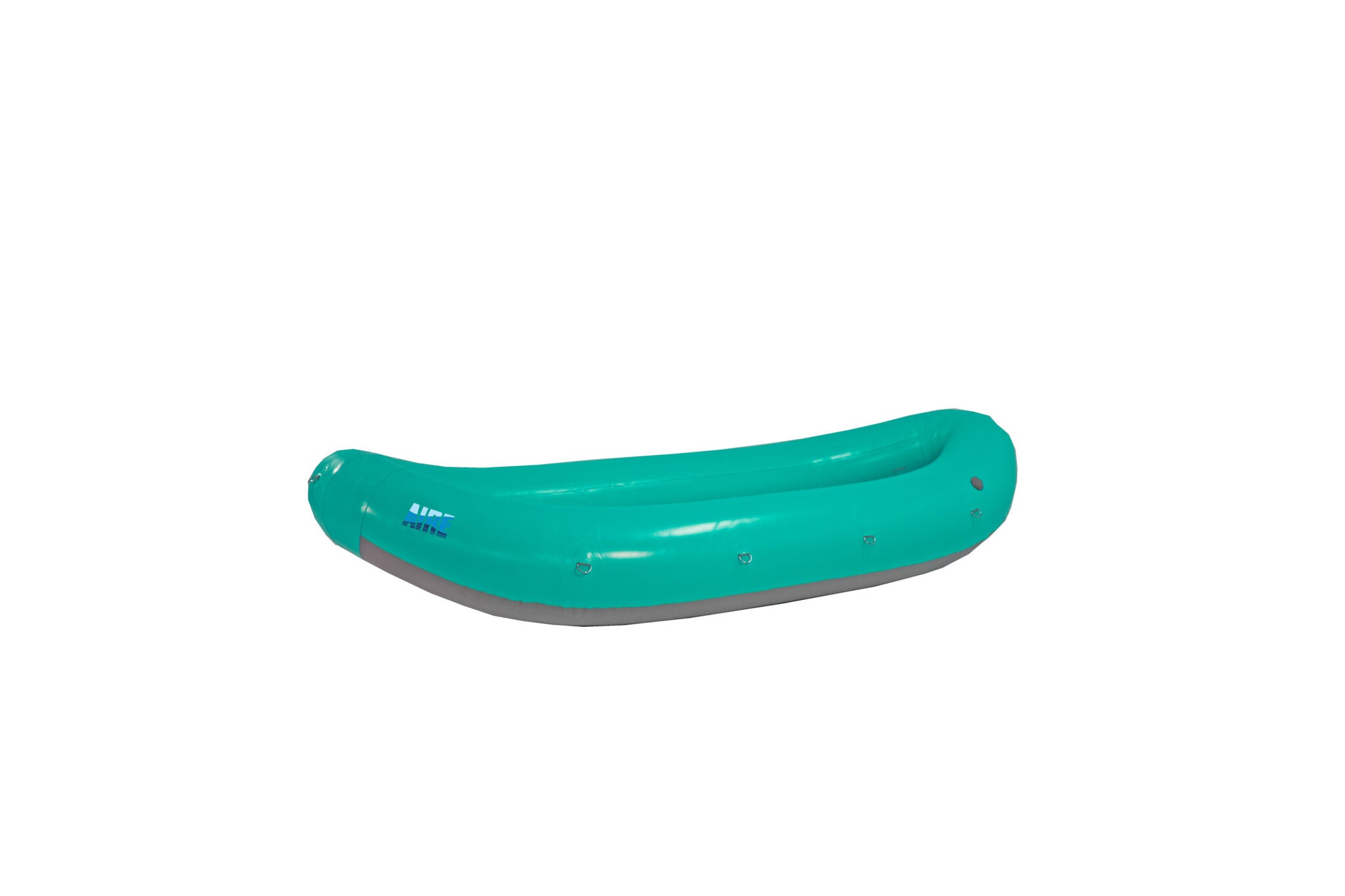
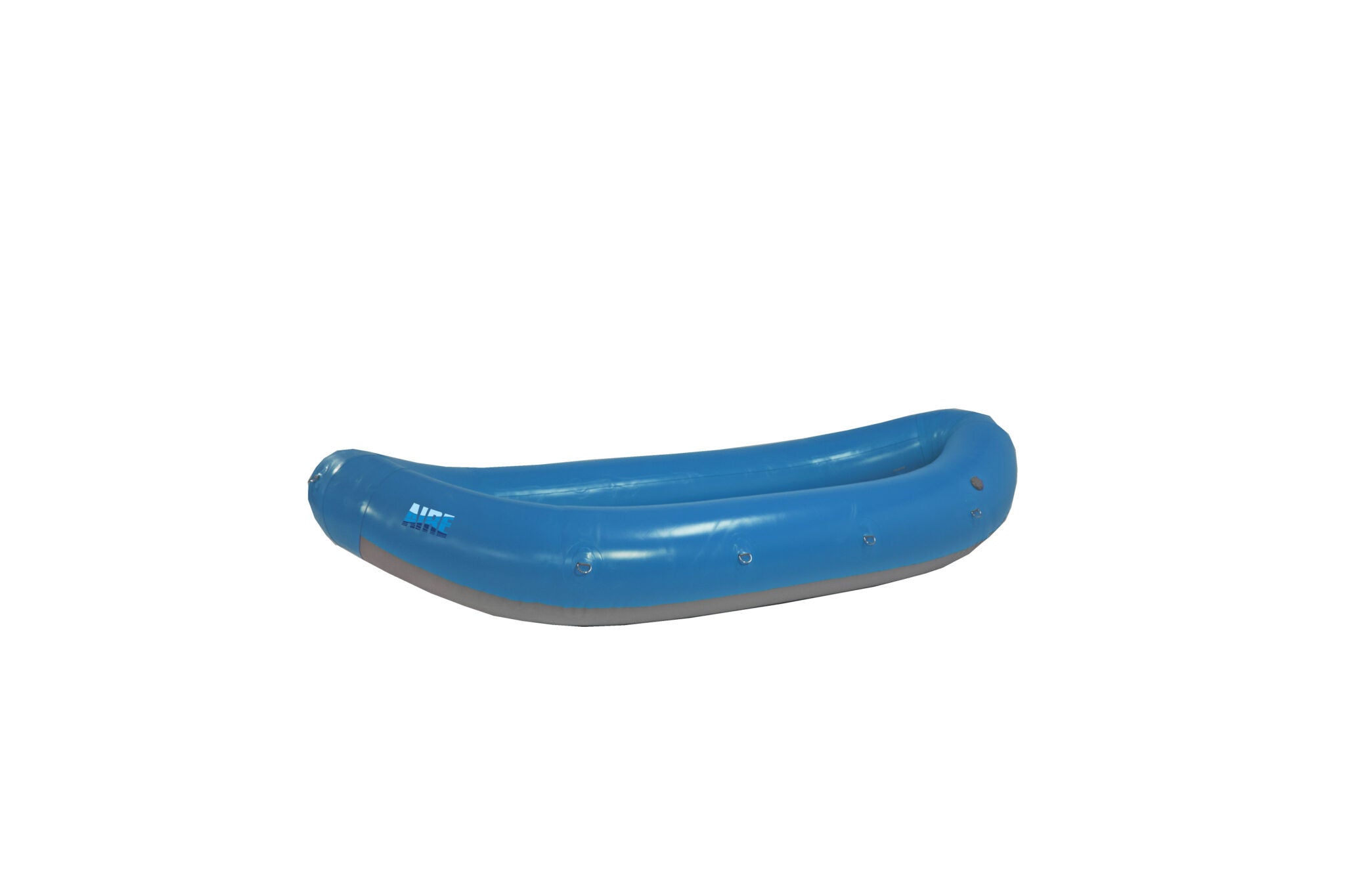
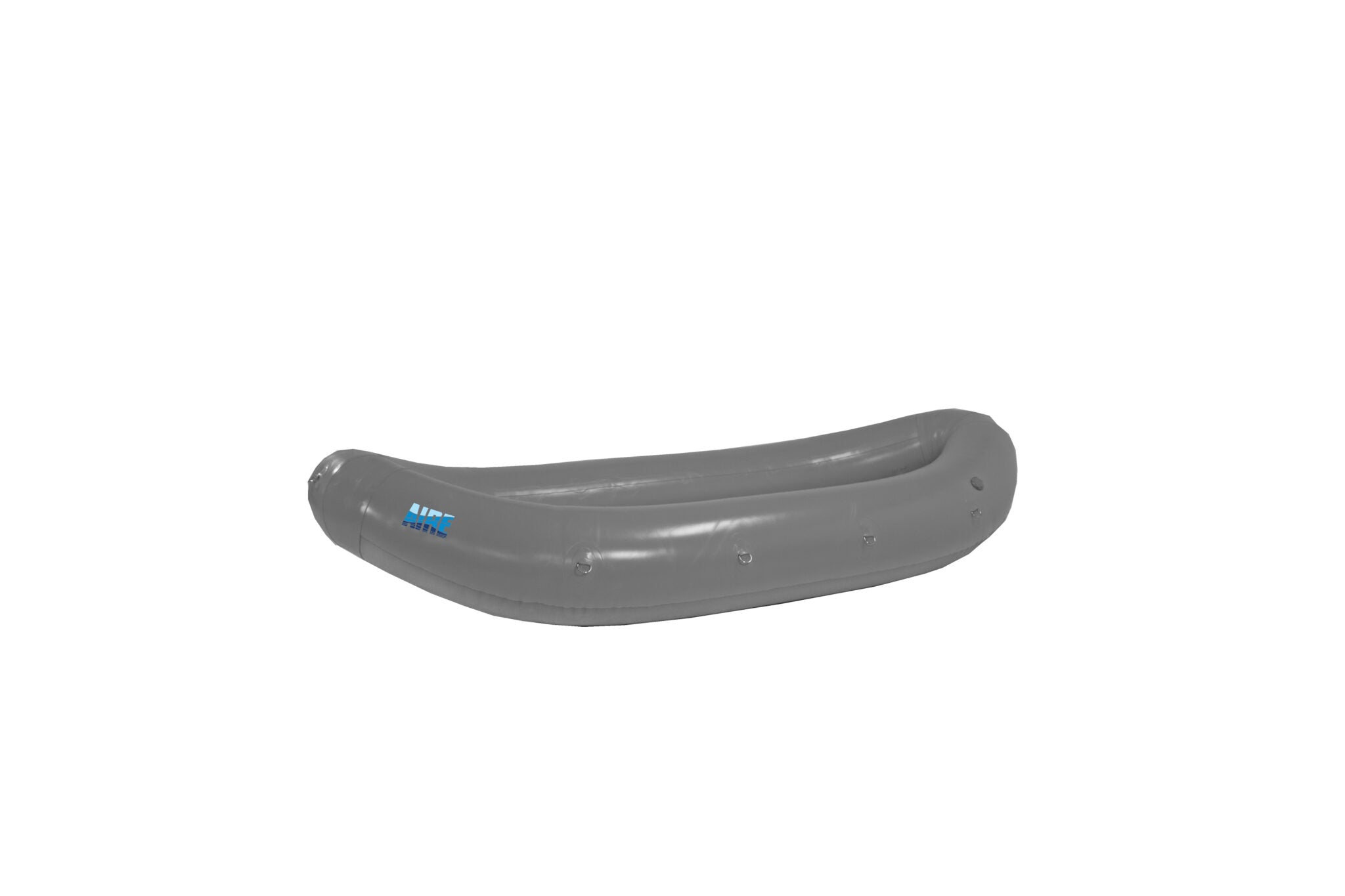
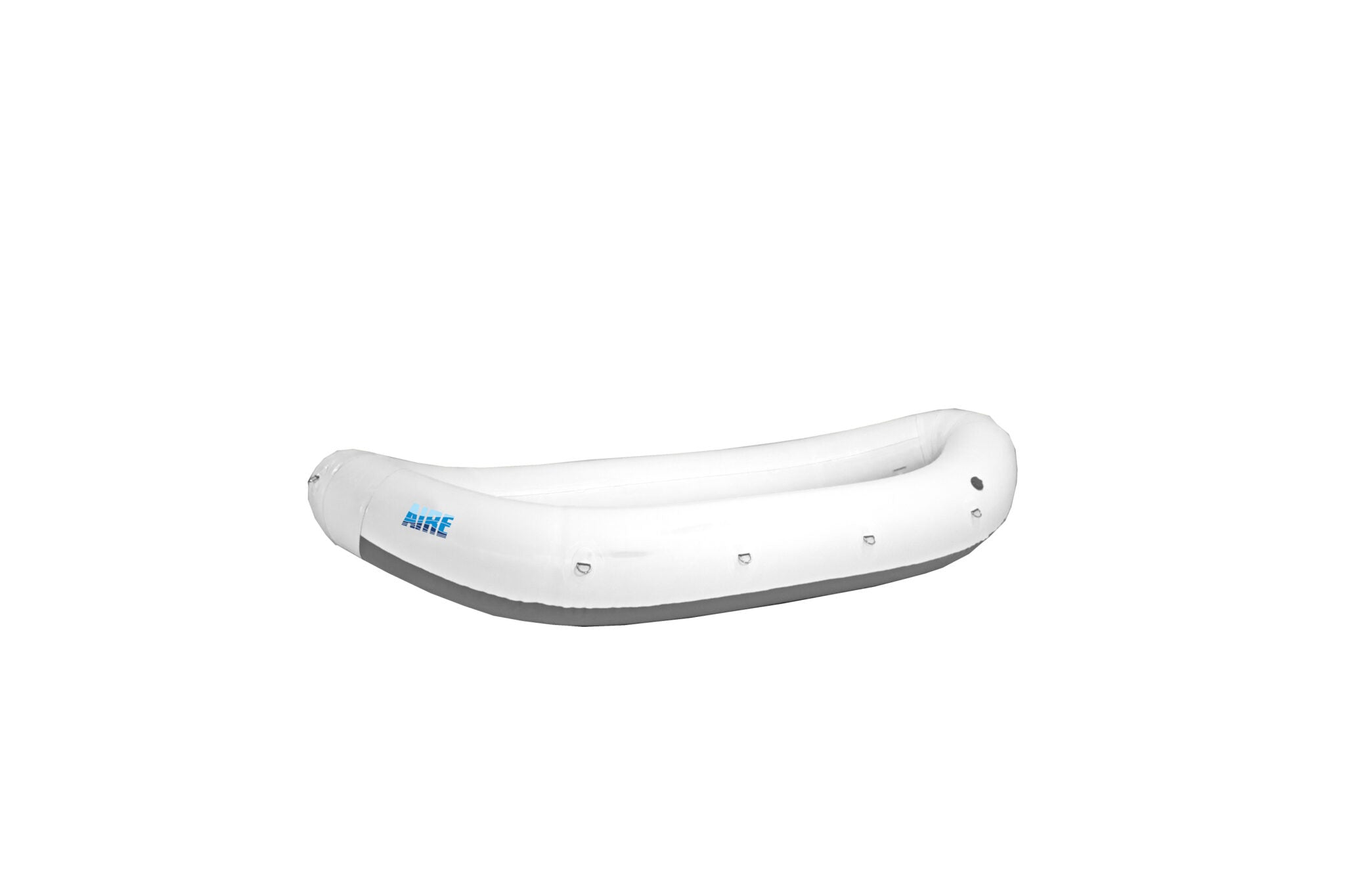
AIRE Puma 11'6" Self-Bailing Whitewater Raft
Optional add-ons
PRODUCT HIGHLIGHTS
- ✔ Agile Play Raft: Compact 11’6” design delivers kayak-like handling for R2–R4 teams.
- ✔ Narrow & Responsive: At just 5’6.5” wide, it threads tight lines and maneuvers effortlessly.
- ✔ Built for Fun: Perfect for technical rivers, surf sessions, and lightweight frame setups.
The AIRE Puma is an 11' 6" self-bailing whitewater raft, and AIRE calls it a true play raft. Like the rest of the Puma series, it has a narrow beam, high rocker and continuous-curve design, so it's zippy in waves and holds tight lines.
Take it on your local river section, or run technical water with a small paddle team of up to three. For a bigger crew, there's the 13-foot Super Puma and the 14-foot Super Duper Puma. Like all AIRE rafts, it's designed and assembled in the USA.
Key specs
- Type: Self-bailing whitewater raft
- Length: 11' 6"
- Weight: 73 lbs
- Paddlers: up to 3
Choose options
Anatomy of an AIRE raft
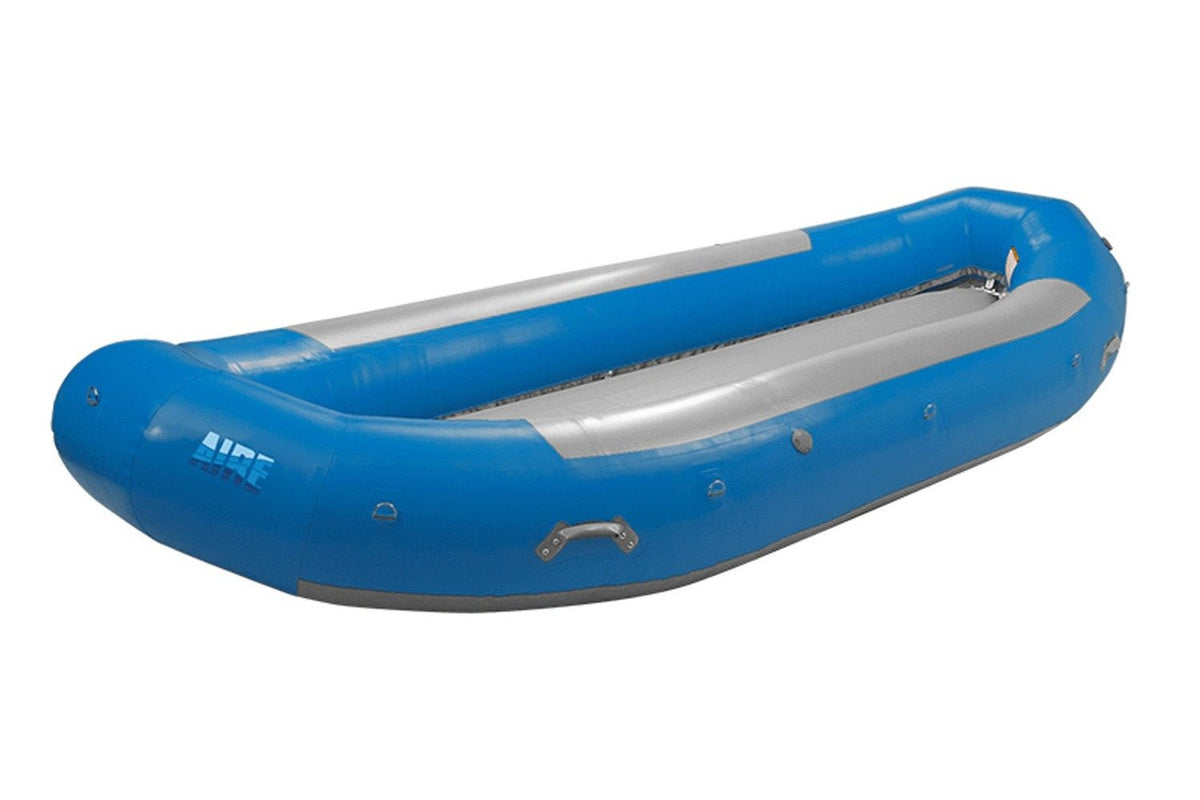
What goes into every AIRE raft, shown on a 143D. Select a number to read about each part.
Précontraint Ferrari PVC on a 1670-denier polyester base, with 70% of the coating on the outside where the rocks hit. Seams are welded or sewn, never glued.
Each chamber has its own urethane AIREcell inside the shell, and the AIREcell holds the air. At 2.5 psi the raft is stiff and responsive, and a puncture is an easy repair.
Every chamber has a Leafield valve. Pump each chamber to soft pressure, then top them all off to 2.5 psi. A properly inflated tube gives about half an inch under your thumb.
An inflatable floor laces into the bottom of the tubes. Water that comes over the side drains out around it, so nobody has to bail. The Regular Floor Pocket is standard, and the Sealed Floor Pocket is an upgrade.
An extra layer of PVC on top of the tubes, where a frame sits. Keep the frame's side rails within it.
Anchor points around the tubes for frame straps, gear and a bow line.
Handles at the bow, stern and sides for carrying, launching and lining the raft.
The ends sweep up so the raft rides over waves instead of plowing into them. Each series has its own amount of rise.